





Scam Posts:

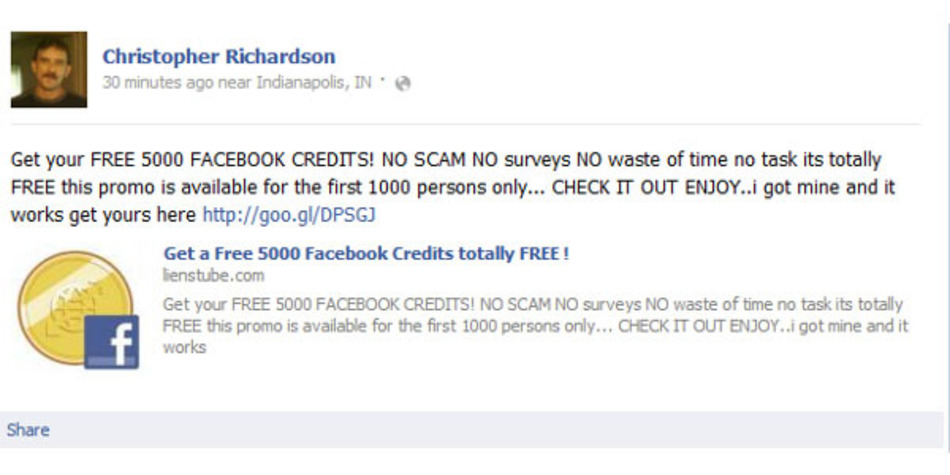
Warning: ‘Get Your Free 5,000 Facebook Credits!’ Offer is a Scam

Facebook

Users of Facebook, beware. Following the now-infamous 'I Just Got My Hillbilly Name!' and Get Free Oakleys Facebook scams is another one that's just as obnoxious, annoying, and dangerous.

Back in 2009, the world's largest social network tried to make some extra bucks with their Facebook Credits virtual currency. Users can buy these credits using real money in order to buy virtual goods for use in various Facebook games and apps. These credits aren't the hottest thing for many users on Facebook, but it's hot enough to be on the radar of cybercriminals who are now using it in a new scam.

Read More » »

Twitter Spam Campaign Pushing Links to Fake Antivirus Software

Twitter Spam Campaign

Cybercriminals are pretty clever at disguising their scams and spam campaigns with cloaked links. Once clicked, the malicious code runs and one or more of several things happens next: your account gets hijacked, your personal information gets stolen, or your device gets infected with the virus.

The latest scam on the block is a Twitter spam campaign that's advertising a fake antivirus program. This was discovered by Kaspersky, who reported that 540 compromised Twitter accounts had sent out 4,148 tweets that linked to 44 unique domains.

Read More » »

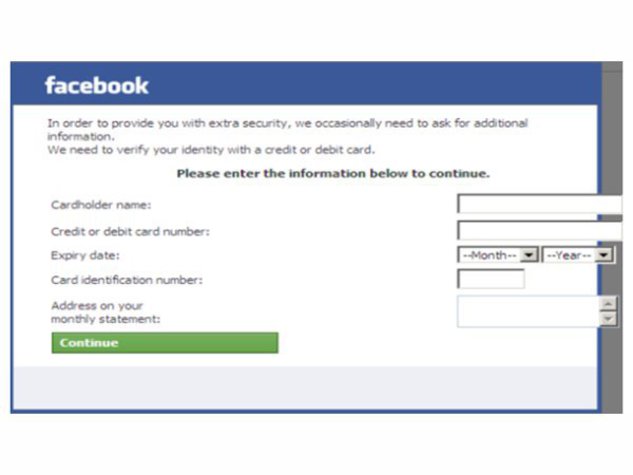
Facebook Malware Tricks Users Into Handing Over Their Credit Card Numbers

Scammers have had it a whole lot easier ever since Facebook came into the picture. Instead of having to come up with outrageous and creative schemes to gain access to personal data and account information, all they have to do now is create a fake Facebook page and let the social network do all the work.

You might have already heard about the fake Facebook Rollercoaster Accident, the "Do You Remember this Photo?" scam, and the Malicious Chrome Extensions issue that take advantage of the social network's users. Now here's another one to add to the list: the fake Facebook added security measure scam.

Read More » »

Spam Alert: Malware-Serving DHL Tracking Emails Currently Making the Rounds

It pays to be weary when it comes to the Internet. It would also pay to remember these three general truths:

  • If it's too good to be true, then it usually is.
  • If you don't know what it is, then don't click the link or download any unknown email attachments.
  • If you're not sure what do, then don't do anything.

A lot of Internet experts say that it's better to be safe than sorry, and I agree. A lot of spammers and scammers rely on the natural curiosity of people to ensure the success of their scam campaigns. One such scam that's currently making the rounds around email inboxes of users from all over the world is the DHL Tracking Notification Email scam.

Read More » »

Scammers Scare Former Megaupload Users With (Fake) Copyright Infringement Lawsuits

The U.S. government shut down Megaupload last January on the grounds that it was being used for illegal filesharing activities. It's founder, Kim Dotcom, and the entire Megaupload crew was subsequently indicted and charged for conspiring to commit copyright infringement, money laundering, and two substantive counts of criminal copyright infringement.

Now Megaupload's users can be divided into two groups: the illegal filesharers, and the legal users who used the service to back up their files. The latter group has nothing to worry about, obviously, since they did nothing illegal. The former group, on the other hand, is probably sweating buckets because they could probably be charged with copyright infringement if it's proven in court that they indeed engage in illegal filesharing activities. Not feeling too good about sharing that Kim Kardashian sex tape through the site now, huh?

Read More » »

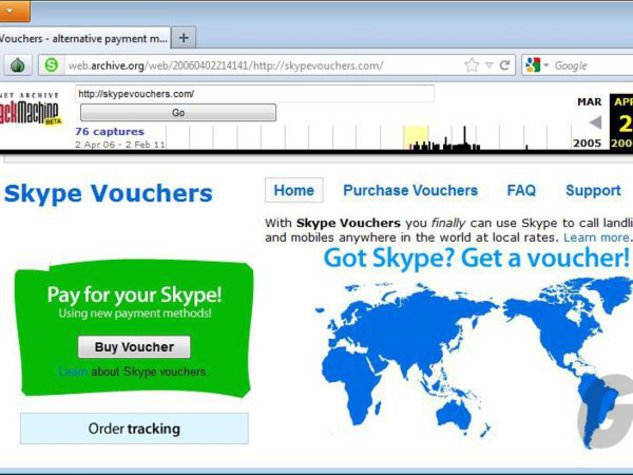
Skype Voucher Bargain Hunters Get Malware Instead of Discounts

Most scammers are opportunistic. What many of them do is observe the latest trends, choose one to build a scam about, and take advantage of the sometimes gullible and often bargain hungry people who flock to their cons and fall prey to them.

These scams range from fake work-at-home job offers to made-up listings to non-existent discount coupons or vouchers for popular online services. An example of the latter con is the Skype discount voucher scam, where a fake website offering such fraudulent coupons was set up to gather personal information and serve up client-side exploits and malware.

Read More » »

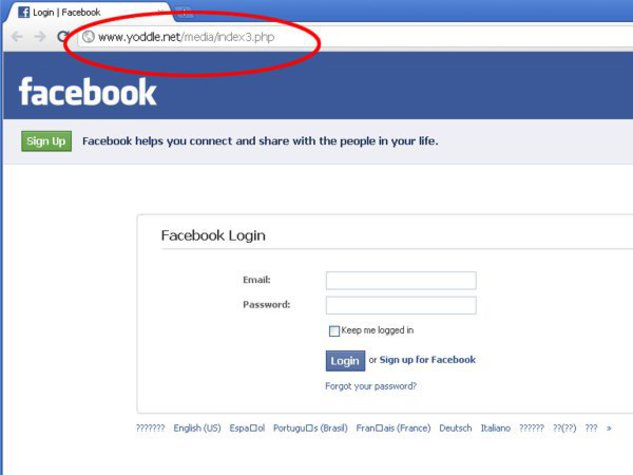
Scam Alert: Latest Facebook Phishing Scam Asks You If You Remember This Photo

Hackers can get very creative when it comes to trying to steal your account information. They attempt to lure you in by using sob stories and try to get you to sign in on fake log-in pages so they can hijack your account and use your personal information to access your bank accounts and maybe even steal your identity.

One of the most common hacking methods being used these days is phishing. It's basically an attempt to acquire usernames, passwords, and even credit card information by creating authentic-looking forms and pages where users will inadvertently end up sending their account details direct to the hackers.

Read More » »

Join the Egotastic! dysfunctional family now!
X